Table of Contents
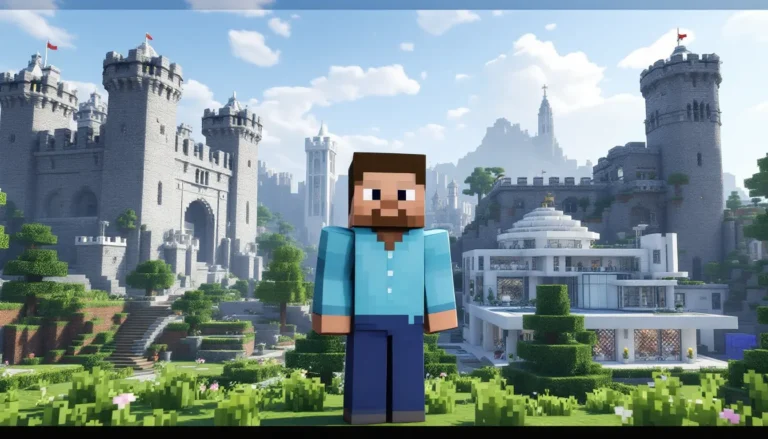
ToggleWhat is Minecraft? It’s a sandbox video game that lets players build, explore, and survive in a blocky 3D world. Created by Markus “Notch” Persson and released by Mojang in 2011, Minecraft has sold over 300 million copies worldwide. This makes it the best-selling video game of all time. Players mine resources, craft tools, and construct anything they can imagine, from simple houses to sprawling cities. The game runs on nearly every platform, including PC, consoles, and mobile devices. Whether someone wants to battle monsters or build a medieval castle, Minecraft offers endless possibilities. This guide explains how Minecraft works, its game modes, and why millions of players still love it today.
Key Takeaways
- Minecraft is a sandbox video game where players build, explore, and survive in a procedurally generated 3D world made of blocks.
- The game offers multiple modes, including Survival Mode for challenge-seekers and Creative Mode for unlimited building without restrictions.
- Minecraft runs on nearly every platform—PC, consoles, and mobile—with cross-play support and no subscription fees after purchase.
- Regular updates, a massive modding community, and educational applications keep Minecraft relevant more than a decade after its 2011 release.
- With over 300 million copies sold, Minecraft holds the title of best-selling video game of all time and appeals to players of all ages.
How Minecraft Works
Minecraft drops players into a procedurally generated world made entirely of blocks. Each block represents a different material, dirt, stone, wood, water, or ore. Players break these blocks to collect resources and place them to build structures.
The core gameplay loop is simple. Players gather materials, craft items, and use those items to gather better materials. A wooden pickaxe breaks stone. Stone tools mine iron. Iron tools mine diamonds. This progression system keeps players engaged for hours.
Minecraft worlds are massive. They stretch for millions of blocks in every direction. Each world generates randomly, so no two playthroughs are identical. Players might spawn near a desert temple, a frozen tundra, or a lush jungle. The environment shapes their early strategy.
Crafting is central to Minecraft. Players combine raw materials on a crafting grid to create tools, weapons, armor, and decorative items. A crafting table unlocks advanced recipes. Furnaces smelt ores into ingots. Enchanting tables add magical properties to gear.
The game also features a day-night cycle. During the day, players explore and gather resources safely. At night, hostile mobs spawn, zombies, skeletons, spiders, and the infamous Creeper. Players must build shelter or fight to survive.
Minecraft includes three dimensions: the Overworld, the Nether, and the End. The Overworld is the starting area. The Nether is a dangerous hellscape filled with lava and powerful enemies. The End contains the Ender Dragon, the game’s final boss. Defeating it rolls the credits, though players can continue exploring afterward.
Game Modes Explained
Minecraft offers several game modes that change how players interact with the world. The two most popular are Survival Mode and Creative Mode. Each provides a distinct experience.
Survival Mode
Survival Mode challenges players to stay alive. They start with nothing and must gather resources from scratch. Hunger depletes over time, so players need to find food. Health doesn’t regenerate automatically without eating.
Mobs pose a constant threat in Survival Mode. Players craft weapons and armor to defend themselves. Death drops all carried items, forcing players to retrieve them quickly. This risk adds tension to exploration.
Survival Mode rewards planning and resource management. Players build farms, mine deep underground, and establish bases. Many set personal goals: defeat the Ender Dragon, build an automated factory, or create a self-sustaining village. The mode appeals to players who enjoy challenge and progression.
Creative Mode
Creative Mode removes all survival elements. Players have unlimited resources and can fly freely. They cannot die, and mobs ignore them completely.
This mode turns Minecraft into a pure building tool. Players construct massive structures without gathering a single block. Skyscrapers, pixel art, recreations of real buildings, anything is possible. Some players have rebuilt entire cities block by block.
Creative Mode also serves as a testing ground. Redstone engineers prototype complex circuits here before building them in Survival. Builders plan large projects without time pressure. The mode attracts architects, artists, and anyone who wants to create without limits.
Other modes include Adventure Mode, designed for custom maps, and Spectator Mode, which lets players observe without interacting. Hardcore Mode is Survival with permadeath, one life only.
Why Minecraft Remains Popular
Minecraft launched in 2011, yet it remains one of the most-played games globally. Several factors explain its lasting appeal.
First, Minecraft receives regular updates. Mojang adds new biomes, mobs, blocks, and mechanics every year. The 2024 updates introduced new wolf variants and armadillos. These additions keep the game fresh for returning players.
Second, the modding community extends Minecraft far beyond its original scope. Thousands of mods add new dimensions, gameplay systems, and visual upgrades. Some mods transform Minecraft into a completely different game. This flexibility keeps players engaged for years.
Third, Minecraft appeals to all ages. Young children enjoy building houses and exploring. Older players tackle complex engineering projects with redstone circuits. Parents play alongside their kids. Few games span generations this effectively.
Fourth, Minecraft works as a social platform. Multiplayer servers host thousands of players simultaneously. Some servers run minigames. Others simulate economies or governments. Players form communities, collaborate on builds, and compete in events.
Finally, Minecraft serves educational purposes. Schools use it to teach coding, architecture, and history. Microsoft offers Minecraft Education Edition with lesson plans and classroom tools. The game teaches problem-solving and creativity through play.
Minecraft also benefits from YouTube and streaming culture. Content creators have built careers around the game. Their videos introduce new players constantly. This cycle of content creation and discovery sustains Minecraft’s popularity.
Who Can Play Minecraft
Minecraft runs on almost every gaming platform. Players can access it on Windows, macOS, Linux, PlayStation, Xbox, Nintendo Switch, iOS, and Android. Cross-play lets users on different platforms join the same server.
The game costs between $7 and $30 depending on the platform. Minecraft has no subscription fees after purchase. Players own the game permanently.
Age ratings classify Minecraft as suitable for ages 7 and up. The game contains mild fantasy violence, players fight blocky zombies and skeletons. No blood or realistic violence appears. Parents generally consider Minecraft safe for children.
Minecraft requires minimal hardware. Even older computers run it smoothly. Mobile versions perform well on budget smartphones. This accessibility contributed significantly to Minecraft’s global reach.
New players should start in Survival Mode on Peaceful difficulty. This setting removes hostile mobs while teaching core mechanics. Once comfortable, they can increase difficulty or try Creative Mode for unlimited building.
Minecraft offers something for everyone. Builders construct dream homes. Engineers design working computers from redstone. Explorers hunt for rare biomes and structures. Fighters challenge the Ender Dragon and Wither boss. The game adapts to each player’s interests.
With over 300 million copies sold, Minecraft has earned its place as a cultural phenomenon. It continues to grow, evolve, and attract new players every day.