Table of Contents
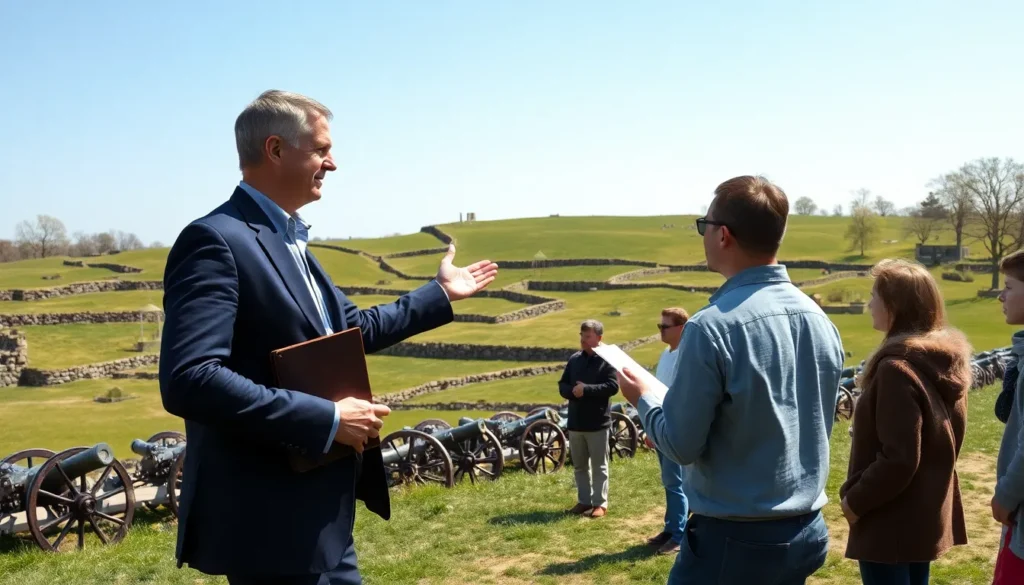
ToggleA battlefield guide transforms a simple trip to a historic war site into a meaningful experience. These experts bring stories of soldiers, strategies, and sacrifices to life in ways that plaques and audio tours simply cannot match. Whether someone plans to visit Gettysburg, Normandy, or the Somme, understanding how to find and work with a battlefield guide makes the difference between walking through a field and truly understanding what happened there.
This article covers what a battlefield guide does, why hiring one matters, and how to choose the right person for the job. It also provides practical tips to help visitors get the most from their battlefield tour experience.
Key Takeaways
- A battlefield guide transforms historic war sites into meaningful experiences by sharing expert knowledge, personal soldier stories, and strategic insights that plaques cannot provide.
- When choosing a battlefield guide, verify credentials, read reviews, and assess their communication style to ensure they match your interests and knowledge level.
- Professional battlefield guides save time by navigating vast sites efficiently and customizing tours for different audiences, from casual tourists to military professionals.
- Prepare for your tour by researching the battle beforehand, wearing appropriate footwear, and bringing water, snacks, and a notebook for notes.
- Ask questions throughout your tour—good battlefield guides welcome curiosity and enjoy exploring topics that engage their audience.
- After your tour, take time to reflect on the experience and ask your guide for book recommendations to continue learning.
What Is a Battlefield Guide?
A battlefield guide is a specialist who leads visitors through historic military sites while explaining the events that occurred there. These professionals possess deep knowledge of specific battles, campaigns, and the soldiers who fought in them.
Most battlefield guides work at particular locations. A guide at Antietam, for example, knows that landscape intimately, every ridge, creek, and stone wall that played a role in the 1862 battle. They understand troop movements, command decisions, and the human cost of each engagement.
Some battlefield guides hold formal certifications. The National Park Service licenses guides at sites like Gettysburg, requiring them to pass rigorous examinations. In Europe, many guides complete academic programs in military history before leading tours at sites like Verdun or the D-Day beaches.
But credentials tell only part of the story. The best battlefield guides combine historical accuracy with storytelling ability. They connect dry facts to real human experiences. They point to a tree line and explain why a regiment chose to advance there, and what happened when they did.
Battlefield guides serve various audiences. Some focus on general tourists seeking a basic overview. Others cater to military professionals studying tactics. Many specialize in helping families trace ancestors who fought in specific conflicts. A good battlefield guide adapts their approach to match visitor interests and knowledge levels.
Benefits of Hiring a Professional Battlefield Guide
Walking a battlefield alone offers a certain experience. Walking it with a professional battlefield guide offers something far richer.
Access to Expert Knowledge
A qualified battlefield guide has spent years studying a specific site. They know details that don’t appear in guidebooks or on monument inscriptions. They can answer questions on the spot, why General Lee positioned his artillery there, or how weather affected the outcome of a particular assault.
This expertise saves visitors time. Instead of reading dozens of markers and trying to piece together events chronologically, tourists receive organized, coherent narratives that make sense of chaotic battles.
Emotional Connection to History
Good battlefield guides don’t just recite facts. They share personal stories of individual soldiers. They describe what men ate, how they slept, what letters they wrote home. This human element transforms abstract history into something visitors feel in their bones.
Standing at the stone wall at Fredericksburg means more when a battlefield guide describes specific Union soldiers who charged across that open field. Names, hometowns, final words, these details create lasting memories.
Physical Navigation Benefits
Many battlefields cover vast areas. Gettysburg spans over 6,000 acres. The Western Front stretches across hundreds of miles. A battlefield guide knows exactly where to go and in what order. They prevent visitors from missing key locations or wasting time at less significant spots.
Guides also know practical details: where to park, which paths get muddy, where to find restrooms and food. These logistics matter during long days of walking.
Customized Experiences
Professional battlefield guides adjust their tours based on visitor interests. Someone researching a specific regiment gets different information than a casual tourist. A military officer studying tactics receives different insights than a photographer seeking the best viewpoints.
How to Choose the Right Battlefield Guide
Not all battlefield guides offer the same quality. Selecting the right one requires some research.
Verify Credentials and Experience
Start by checking qualifications. Licensed battlefield guides at National Park sites have passed official examinations. Look for guides with formal training in history, military studies, or related fields. Years of experience matter too, someone who has led hundreds of tours understands how to manage time, answer questions, and keep groups engaged.
Ask potential guides about their specific expertise. A battlefield guide specializing in Civil War cavalry actions might not be the best choice for someone interested in artillery tactics.
Read Reviews and Testimonials
Online reviews reveal much about a battlefield guide’s strengths and weaknesses. Look for patterns in feedback. Do multiple reviewers praise the guide’s storytelling? Do they mention punctuality, flexibility, and depth of knowledge?
Be cautious about guides with only a handful of reviews or those with generic, vague testimonials. Detailed, specific praise indicates genuine satisfied customers.
Consider Communication Style
The best battlefield guide for one person might bore another. Some guides deliver academic lectures packed with dates and statistics. Others tell stories filled with drama and personality. Some welcome questions throughout tours: others prefer to present material uninterrupted.
Contact potential guides before booking. Ask about their approach. A brief conversation reveals whether their style matches visitor preferences.
Evaluate Logistics and Pricing
Understand exactly what a battlefield guide includes in their fee. Does the price cover transportation? How long does the tour last? Can the guide accommodate mobility limitations?
Pricing varies widely. Government-licensed guides at popular sites often charge standard rates. Private guides may cost more but offer more flexible, personalized experiences. The cheapest option rarely provides the best value.
Top Tips for Your Battlefield Tour Experience
Hiring a great battlefield guide matters. So does proper preparation.
Do Basic Research First
Visitors get more from tours when they arrive with foundational knowledge. Read a book or watch a documentary about the battle beforehand. Understanding the basic timeline and key figures helps visitors follow along and ask better questions. A battlefield guide can then build on that foundation rather than starting from scratch.
Dress for the Terrain
Battlefields are outdoor sites, often with uneven ground, long walking distances, and unpredictable weather. Wear comfortable shoes suitable for hiking. Bring layers, rain gear, and sun protection depending on conditions. Nothing ruins a tour faster than blisters or hypothermia.
Bring the Right Supplies
Pack water, snacks, and a charged phone. Consider binoculars for viewing distant terrain features. A small notebook helps visitors record details they want to remember or research later.
Ask Questions Throughout
A battlefield guide welcomes curiosity. If something doesn’t make sense, ask. If a particular soldier or unit interests a visitor, mention it. Good guides enjoy exploring tangents that engage their audience.
Take Time to Reflect
Battlefields are sacred ground. Thousands of people died in these places. After the tour ends, visitors often benefit from sitting quietly for a few minutes. Let the experience settle. The battlefield guide provided information: now visitors can process its emotional weight.
Plan for Follow-Up Learning
Most battlefield tours spark new interests. Visitors leave wanting to know more about a specific general, regiment, or event. Ask the battlefield guide for book recommendations or museum suggestions. The learning doesn’t have to end when the tour does.