Table of Contents
ToggleChoosing the right class in Battlefield isn’t just about personal preference, it’s the difference between a squad that steamrolls objectives and one that gets farmed at spawn. Each class brings unique gadgets, weapons, and tactical roles that can shift the momentum of a 64-player match in seconds. Whether you’re dropping med packs under fire, calling out armor with a spawn beacon, or chewing through infantry with an LMG, understanding your class inside and out separates good players from great ones.
The class system has been Battlefield’s backbone since Battlefield 2, and even though tweaks across titles like Battlefield 2042, Battlefield V, and Battlefield 1, the core philosophy remains: teamwork wins wars. In 2026, with Battlefield 2042 still receiving seasonal updates and the community buzzing about the next installment, mastering each class has never been more relevant. This guide breaks down every role, the loadouts that work, and the tactics that’ll make you the player your squad actually wants to spawn on.
Key Takeaways
- Each Battlefield class fills a critical role—Assault breaks positions and counters armor, Medic sustains pushes through revives and healing, Support locks down objectives with suppressive fire and ammo, and Recon provides intel and spawn advantages that win engagements.
- Balanced class composition (1 Assault, 2 Medics, 1 Support, flexible Recon) directly impacts win rate, as it eliminates resource droughts and forces squads to adapt to changing battlefield conditions.
- Mastering Battlefield classes means adapting mid-match based on what your team lacks—swap to Assault if armor dominates, flex to Medic if tickets bleed fast, and switch to Support if you’re running dry on ammunition.
- In Breakthrough and Rush modes, attackers must prioritize Medic (2 minimum) to deny ticket bleed, while defenders need stacked Support players with deployed LMGs to lock down choke points and hold positions.
- Synergized squad gameplay multiplies class effectiveness—Recon spotting enemies, Support suppressing them, and Assault pushing in together breaks defensive positions that single classes cannot crack alone.
- Playing for the objective and fulfilling your role consistently outweighs chasing kills; the best Battlefield players sacrifice K/D for strategic class picks that enable their squad to win matches.
Understanding the Class System in Battlefield
Why Classes Matter in Modern Battlefield Games
Classes enforce specialization. A lone wolf can rack up kills, but they’ll never cap and hold an objective against a coordinated squad running balanced roles. Each class compensates for another’s weaknesses: Assault handles armor and close-quarters brawls, Medic keeps the push alive, Support feeds ammo and locks down lanes, and Recon provides intel and picks off high-value targets.
Modern Battlefield titles, especially 2042 with its Specialist system, blurred these lines a bit. Specialists like Falck or Angel technically fall under traditional class archetypes but with added flexibility. Still, the gadget and weapon restrictions remain, meaning you can’t run rocket launchers and med packs simultaneously. That trade-off is intentional: it forces squads to communicate and cover each other’s gaps.
The result? A team stacked with five Recons might snag early picks, but they’ll crumble when armor rolls in or when they need to revive teammates during a contested flag fight. Balance isn’t optional, it’s survival.
How Class Composition Affects Team Performance
A squad’s class mix directly impacts win rate. Data from community trackers and comp players shows that squads running 1 Assault, 2 Medics, 1 Support, and flexible Recon consistently outperform lopsided comps. Why? Because they can adapt. They destroy vehicles, sustain pushes, resupply on the fly, and maintain map awareness.
Poor composition creates resource droughts. No Support means your Assault runs dry after one armor kill. No Medic means every trade favors the enemy. No Recon means you walk into ambushes. In modes like Conquest or Breakthrough, these micro-failures compound into ticket bleeds and lost sectors.
Smart players also adjust mid-match. If your team’s getting shredded by an enemy tank on Hourglass, someone needs to swap to Assault with an M5 Revertoli or SMAW. If you’re bleeding tickets on a Breakthrough defense, an extra Support with an ammo crate and suppressive fire can stall the push long enough for reinforcements. Adapting class picks to the match state is as important as raw gunplay, and many essential strategies revolve around recognizing these moments.
Assault Class: Frontline Firepower and Anti-Vehicle Dominance
Best Weapons and Loadouts for Assault
Assault is the tip of the spear. This class thrives in close-to-mid range engagements and carries the only reliable anti-vehicle gadgets in most Battlefield titles. In Battlefield 2042, Assault-oriented Specialists like Mackay or Dozer pair well with assault rifles such as the AC-42, M5A3, or SFAR-M GL for versatility. If you’re playing older titles like BF4 or BF1, classics like the AEK-971, Hellriegel, or STG 44 still shred.
Gadget-wise, you’ve got two priorities: anti-armor and anti-infantry explosives. The M5 Recoilless Rifle (or RPG-7/SMAW equivalents) is your bread and butter against tanks, LAVs, and helicopters. Pair it with anti-tank mines for area denial or C5/C4 for aggressive vehicle takedowns. Some players run smoke grenades for objective pushes, but that’s situational, usually, you want maximum lethality.
Sample Assault loadout (BF2042, Season 7 meta):
- Primary: AC-42 (extended mag, red dot, compensator)
- Secondary: MP28 or G57 for backup
- Gadget 1: M5 Recoilless Rifle
- Gadget 2: C5 Explosives
- Throwable: Frag Grenade
- Specialist: Mackay (grapple for vertical mobility) or Dozer (shield for objective contests)
This setup lets you flex between infantry combat and vehicle denial without compromising either role.
Assault Class Tactics and Positioning
Assault players should operate in the mid-front of any push, close enough to pressure objectives but not so far forward you die without backup. Your job is to break enemy positions: destroy cover with rockets, flush out campers with frags, and win the gunfights that matter.
Against vehicles, patience wins. Don’t panic-fire rockets at full-health tanks. Wait for them to commit to a position, disable their mobility if possible (track hits deal critical damage in most titles), then follow up while they’re vulnerable. In BF2042, coordinated rocket volleys from two Assault players can delete a Wildcat or LATV4 before they react. If you’re solo, bait them into tight spaces where they can’t angle their armor, then hit side or rear panels for maximum damage.
Objective play is where Assault truly shines. On Conquest, you’re the one clearing flags and holding them under pressure. On Breakthrough, you’re the battering ram, throw smoke, push with your Medic, and plant C5 on enemy spawns or choke points. Pro players often run Assault on attack phases specifically because its fragging power and explosive utility create openings that other classes can’t.
When to Choose Assault Over Other Classes
Pick Assault when:
- The enemy team is running heavy armor (2+ tanks or attack helicopters)
- Your squad needs someone to contest and clear objectives aggressively
- You’re playing small-scale modes like Team Deathmatch or Domination where anti-vehicle isn’t critical but fragging power is
- Your team lacks explosive utility for breaking entrenched positions
Avoid Assault if your squad already has two, your team is bleeding tickets from lack of healing/ammo, or the map heavily favors long-range engagements (like Hamada in BFV or Caspian Border’s open sectors). In those cases, flex to Support or Recon and let someone else handle the close-quarters chaos.
Medic Class: Keep Your Team Alive and Push Forward
Essential Medic Weapons and Gadgets
Medic is the heartbeat of any sustained push. Without revives and healing, your team burns through tickets and loses map control. The class traditionally carries SMGs or ARs (depending on the title) optimized for close-to-mid range, plus healing and revive gadgets.
In Battlefield 2042, Medic-aligned Specialists like Falck and Angel dominate the meta. Falck’s syrette pistol heals and revives at range, absurdly strong for keeping teammates up during firefights. Angel drops loadout crates that heal, resupply, and let players swap loadouts mid-match, making him a flex pick for adaptive squads.
Weapon-wise, the PP-29 (pre-nerf) and K30 were Medic staples in 2042, though post-Season 4 balancing shifted the meta toward the MP9 and PBX-45 for higher skill players. In Battlefield V, the Type 2A, Suomi KP/-31, and MP40 remain top-tier. Pair your primary with a medic crate or med packs (crate for stationary defense, packs for mobile pushes) and smoke grenades, smoke is non-negotiable for revives under fire.
Sample Medic loadout (BF2042, current patch):
- Primary: PBX-45 (red dot, extended mag, laser sight)
- Secondary: G57 pistol
- Gadget 1: Medical Crate
- Gadget 2: Smoke Grenade Launcher
- Throwable: Smoke Grenade
- Specialist: Falck (ranged healing/revive) or Angel (loadout flexibility)
Smoke is your best friend. You can’t revive what you can’t reach safely, and smoking angles or downed teammates is the difference between a successful push and a ticket bleed.
Advanced Revive and Healing Strategies
Reviving isn’t just pressing a button, it’s about timing, positioning, and risk assessment. A bad revive gets both of you killed and feeds the enemy two tickets. Before you go for the pickup, check:
- Is the area clear? If not, smoke it or clear threats first.
- Can you get them up before enemy reinforcements arrive? A 3-second revive in the open is suicide without cover.
- Does your squad need that player more than they need you? Sometimes the better play is to stay alive and defend the position.
Falck’s syrette pistol breaks traditional revive rules. You can heal/revive teammates from 20+ meters, meaning you don’t have to expose yourself in the kill zone. Aim for downed teammates behind cover or use it preemptively to top off allies during pushes. The cooldown is short, abuse it.
Healing priority matters too. Top off Assault players pushing armor, keep your Support alive so they can resupply, and heal yourself between engagements. Medic crates provide passive AOE healing, so drop them on contested flags or in defensive positions where your team naturally clusters. Experienced players often employ tactical concepts like layered healing zones to control choke points without overextending.
In competitive or Breakthrough matches, Medics often pair with Assault players for synchronized pushes: Assault breaks positions with explosives, Medic sustains them through the chaos. This duo is nearly impossible to stop without coordinated counterplay.
Support Class: Ammunition Supply and Suppressive Fire
Top Support Weapons and Equipment Choices
Support is the unsung MVP. Every rocket, every grenade, every mag dump depends on ammo, and Support controls that resource. The class typically carries LMGs or light machine guns designed for sustained fire, area denial, and suppressing enemy movements.
In Battlefield 2042, the LCMG and PKP-BP dominate the LMG category, offering high mag capacity (200 rounds with extended belts) and controllable recoil for mid-range engagements. The GVT 45-70 (lever-action marksman rifle) is a meme pick but surprisingly effective in the right hands for mid-range precision. In older titles like BF4 or BF1, classics like the MG4, M249, BAR, and Lewis Gun remain meta.
Gadget loadout revolves around ammo crates/packs (crate for stationary, packs for mobile) and either C5/claymores for area denial or a repair tool if you’re running vehicle support. The repair tool is underrated, keeping friendly armor alive extends their impact exponentially, especially on vehicle-heavy maps like Orbital or Breakaway.
Sample Support loadout (BF2042, current meta):
- Primary: PKP-BP (bipod, extended belt, red dot)
- Secondary: MP28 or pistol
- Gadget 1: Ammo Crate
- Gadget 2: Repair Tool or C5
- Throwable: Frag or Incendiary Grenade
- Specialist: Boris (sentry turret for area denial) or Irish (trophy system for objective defense)
The bipod on LMGs is critical. Deploy it on walls, sandbags, or prone positions to massively reduce recoil and enable laser-accurate sustained fire. Many competitive tactics emphasize pre-aiming common lanes with deployed LMGs to suppress rotations.
How to Effectively Resupply and Control Objectives
Support’s primary job is resource management. Drop ammo crates near clusters of teammates, especially Assault players burning through rockets, and keep them topped off. Ammo packs are faster for single-target resupply, but crates cover an AOE and persist even if you die, making them better for holding objectives.
Suppressive fire is an actual mechanic in most Battlefield games. When you lay down sustained fire near enemies (even without hitting them), it applies suppression effects: blurred vision, increased weapon sway, and reduced accuracy. This disrupts enemy pushes and buys your team time to reposition or counterattack. On Breakthrough defense, a well-positioned Support with an LMG can single-handedly stall an entire lane by suppressing chokepoints.
For vehicle support, stick near friendly armor with your repair tool. A tank with a dedicated Support repairing it becomes a nightmare to kill, enemies have to commit multiple rockets or coordinated strikes to break through the healing. This synergy is especially strong on maps like Hourglass or Renewal where armor dominates open sectors.
Objective control is where Support locks down wins. Plant ammo crates on flags, hold angles with your LMG deployed, and deny flanks with claymores or C5 traps. Your sustained firepower makes you excellent at defending, enemies can’t wait you out because you won’t run dry. Pair that with a squad running balanced roles, and you create a fortress that’s almost impossible to crack without overwhelming force.
Recon Class: Long-Range Precision and Battlefield Intelligence
Sniper Rifles and Gadgets for Reconnaissance
Recon is the intel and precision class, spotting enemies, calling out positions, and eliminating high-value targets from range. The class typically carries sniper rifles or DMRs, plus gadgets focused on reconnaissance and spawn control.
In Battlefield 2042, sniper options include the SWS-10 (bolt-action, one-shot headshot potential at most ranges), DXR-1 (semi-auto for faster follow-ups), and NTW-20 (anti-materiel rifle that can damage light vehicles). DMRs like the SVK and DM7 offer more flexibility in mid-range engagements. Recon-aligned Specialists like Casper (drone for spotting) and Rao (hacks vehicles and equipment) bring utility beyond just shooting.
Gadget-wise, spawn beacons are non-negotiable. A well-placed beacon behind enemy lines lets your squad flood objectives from unexpected angles. Pair it with a motion sensor or MAV/drone for spotting, or run C5 if you’re playing aggressive Recon. Some players prefer claymores for defensive setups, but spawn beacon + spotting tool is the standard comp loadout.
Sample Recon loadout (BF2042, competitive meta):
- Primary: SWS-10 (high-power scope, extended mag, suppressor for stealth)
- Secondary: PF51 pistol or MP28 for close defense
- Gadget 1: Spawn Beacon
- Gadget 2: Motion Sensor or C5
- Throwable: Smoke or Frag
- Specialist: Casper (drone spotting) or Paik (wallhack ability for intel)
Attachments matter. Run a variable zoom scope (6-10x) for flexibility between long and mid-range, and consider suppressors for stealth picks that don’t reveal your position.
Spotting Techniques and Information Warfare
Recon’s intel role often contributes more to wins than raw K/D. Spotting enemies highlights them for your entire team, enabling coordinated focus fire and ambush setups. In 2042, Casper’s drone can spot entire squads, mark vehicles, and even EMPs gadgets, it’s borderline broken in organized play.
Motion sensors cover choke points and flag areas, revealing enemy movement even through walls. Drop one on a contested objective and your team gains a massive advantage: they know exactly when and where enemies are pushing. This is especially strong on Breakthrough or Conquest maps with tight interiors like Kaleidoscope or Discarded.
Spawn beacons win matches. Place them in hard-to-reach spots, rooftops, behind enemy lines, on flanks, and your squad can bypass frontline choke points entirely. The enemy suddenly has to defend multiple angles, splitting their focus and creating openings. Pro squads often run a dedicated Recon just for beacon placement and spotting, treating kills as secondary.
Communication is key. Call out armor positions, sniper nests, and enemy rotations in voice chat. A Recon who spots a tank moving to your team’s flank and warns in time can save multiple lives and prevent a flag loss. Many pro player setups emphasize hotkeys and map callouts to streamline this intel flow.
Aggressive vs. Defensive Recon Playstyles
Recon splits into two schools: patient long-range snipers and aggressive close-range infiltrators. Both are viable depending on map, mode, and team needs.
Defensive Recon sits at range (150-300m), covers objectives with overwatch, and picks off high-value targets like enemy Medics or vehicle operators. This playstyle excels on open maps (Orbital, Hourglass) and in modes like Conquest where holding sightlines matters. Pair it with a bipod for stability and prioritize headshots, body shots often don’t secure kills before enemies heal or take cover.
Aggressive Recon runs DMRs or semi-auto snipers, pushes with the squad, and uses the spawn beacon offensively. Drop the beacon near the objective you’re attacking, then push in with your team. When you die, respawn on your own beacon and repeat. This playstyle is dominant on Breakthrough or Rush where forward spawns create unstoppable pressure. The SVK or DM7 in 2042 are perfect for this, high rate of fire, manageable recoil, and enough damage to compete in mid-range duels.
Which style you pick depends on your squad’s composition. If you already have two Assault and a Medic pushing, stay back and provide overwatch. If your team is struggling to gain ground, swap to aggressive Recon with a beacon and create the spawn advantage yourself. Adaptability separates average Recons from players who actually impact the match.
Choosing the Right Class for Different Game Modes
Best Classes for Conquest Mode
Conquest is all about map control and ticket efficiency. The ideal team comp spreads across all classes, but priority shifts based on phase:
- Early game (first 5 minutes): Recon for spawn beacons and fast objective capping. Aggressive Recons with DMRs can cap undefended flags and set up forward spawns before enemies respond.
- Mid game: Assault and Support for holding contested flags. Assault handles enemy armor and breaks entrenched positions, Support sustains pushes with ammo and suppressive fire.
- Late game (ticket bleed phase): Medic becomes critical. Every revive denies the enemy a ticket, and keeping your squad alive during final pushes can flip close matches.
Balanced squads (1 of each class or 1 Assault, 2 Medic, 1 Support) dominate Conquest because they can adapt to any situation. If your squad is capping a flag and enemy armor rolls up, your Assault handles it. If you take heavy casualties, your Medic gets everyone back up. If you’re low on rockets or grenades, your Support resupplies.
Vehicle-heavy maps like Orbital or Breakaway demand more Assault players to counter armor spam. Infantry-focused maps like Kaleidoscope or Discarded favor Medic and Support for sustained close-quarters fighting. Understanding popular beginner concepts helps newer players recognize these shifts.
Optimal Class Selection for Breakthrough and Rush
Breakthrough and Rush are attacker/defender asymmetric modes. Class priority flips depending on your side:
Attackers need:
- Medic (2 per squad minimum): Revives deny ticket bleed, which is the attacker’s primary resource. You have limited respawns, wasting them kills your momentum.
- Assault (1-2 per squad): Destroys defensive emplacements, vehicles, and clears entrenched positions with explosives.
- Recon (1 aggressive with spawn beacon): Forward beacon near objectives creates overwhelming spawn pressure. Defenders can’t hold when attackers respawn 20 meters from the point.
Defenders need:
- Support (2 per squad): Ammo and suppressive fire to hold choke points. LMGs deployed on sandbags can lock down entire lanes.
- Assault (1-2 per squad): Anti-vehicle to stop attacking armor and deny their momentum.
- Medic (1 per squad): Defenders have unlimited respawns, so revives are less critical, but keeping your Support/Assault alive matters.
Defensive Recon can work on defense for spotting and long-range picks, but it’s lower priority than the other classes. Most comp squads skip Recon entirely on defense in favor of more Supports or Assaults.
One key insight from tier lists and meta discussions emphasizes that Breakthrough attackers win or lose based on Medic efficiency. A team that doesn’t run enough Medics will bleed tickets and stall, even with good gunplay.
Team Deathmatch and Small-Scale Engagements
TDM and small modes (Squad Deathmatch, Domination) strip away vehicles and focus purely on gunfights and fragging power. Class choice simplifies:
- Assault: Top pick for fragging power and explosive utility. ARs dominate the mid-range meta in most Battlefield titles.
- Medic: Strong secondary pick for sustaining pushes and denying enemy kills through revives. SMGs perform well in TDM’s tight engagements.
- Support: Situational. LMGs can work if you hold power positions, but mobility is limited. Ammo is less critical since spawns are frequent.
- Recon: Least effective unless you’re a cracked sniper. No vehicles to spot, and most TDM maps favor close-quarters where sniper rifles underperform.
Balanced TDM squads usually run 2 Assault, 1-2 Medic, and maybe 1 Support if the map has good LMG positions. The focus is fragging and staying alive, revives deny enemy points, so Medic value stays high even without objectives to cap.
Advanced Tips for Maximizing Class Effectiveness
Class Synergies and Squad Coordination
Classes multiply each other’s effectiveness when coordinated. A lone Assault might kill a tank, but an Assault paired with a Support who keeps them resupplied can kill three tanks and hold a lane. A Medic keeping that duo alive makes them nearly unkillable. A Recon spotting enemy armor before it arrives lets the Assault pre-position for an ambush.
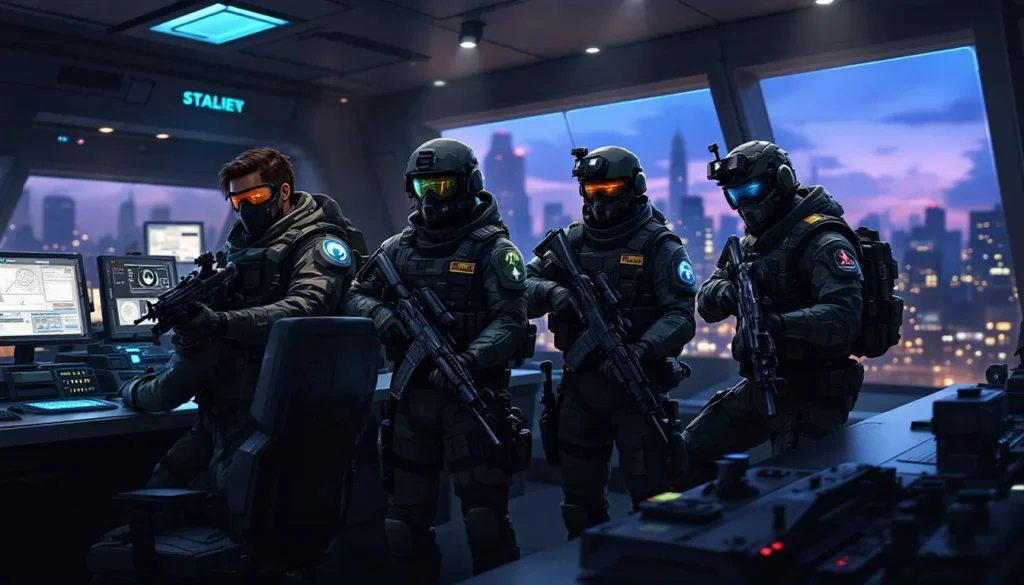
Strong squads communicate loadouts before the match: “I’ll run Assault with rockets, you grab Medic with smokes, someone take Support for ammo.” This avoids redundancy and covers all essential roles. In-game, call out what you need: “Out of rockets, need ammo,” or “Push now, I’ll smoke and revive.”
Squad spawning amplifies this. Spawn on your Medic when they’re in cover near the objective. Spawn on your Recon’s beacon when you need to flank. Don’t spawn on your Assault who’s in the middle of a firefight, you’ll die before you orient. Smart spawning keeps the squad cohesive and maintains pressure.
Another synergy: Recon spotting + Support suppression + Assault push. Recon marks enemies, Support suppresses them (reducing their accuracy), and Assault moves in for the kill while they’re disoriented. This combo breaks defensive positions that would otherwise stall an entire team. Studying creative squad tactics reveals dozens of these layered strategies.
Adapting Your Class Mid-Match
Rigid class picks lose matches. If your team is getting farmed by helicopters and no one’s running Assault with anti-air, you swap, even if you’re top fragging as Medic. If your squad keeps dying from lack of heals, someone flexes to Medic. Adaptation wins.
Watch the scoreboard and kill feed. If enemy armor is dominating (lots of vehicle kills), your team needs more Assault. If your team is bleeding tickets fast, you need more Medic. If your Assault players are constantly out of rockets, you need Support. The data tells you what’s missing.
In Battlefield 2042, Angel’s loadout crate makes mid-match adaptation even easier. Drop one and your entire squad can swap classes, weapons, and gadgets without dying. This flexibility is borderline meta-defining in competitive play, squads can shift from anti-armor to anti-infantry loadouts in seconds based on enemy strategy.
Don’t ego your K/D over the win. Sometimes the highest-impact play is swapping to Support to resupply your squad or going Medic to revive teammates during a critical push. Chasing kills loses Conquest and Breakthrough matches. Playing the objective and adapting your role wins them.
Common Mistakes to Avoid with Each Class
Assault mistakes:
- Wasting rockets on infantry when armor is present. Save your anti-tank for actual threats.
- Pushing alone without support. You’re not invincible, wait for your squad.
- Ignoring objectives to hunt vehicle kills. Killing a tank doesn’t matter if you lose the flag.
Medic mistakes:
- Reviving in the open without smoke. You just fed the enemy two kills.
- Not healing yourself between fights. Dead Medics can’t revive anyone.
- Running past downed teammates to chase kills. Your job is keeping the squad alive, not fragging out.
Support mistakes:
- Never deploying your bipod. You’re running an LMG without using its best feature.
- Dropping ammo in bad positions (middle of open ground, away from teammates). Place it where your team actually is.
- Ignoring friendly vehicles. Repairing a tank takes 10 seconds and can extend its life by minutes.
Recon mistakes:
- Sniping from spawn. You’re too far to contribute and you’re wasting a squad slot.
- Not placing spawn beacons. If your beacon isn’t down, you’re playing Recon wrong.
- Forgetting to spot. Your drone and sensors exist, use them.
Avoiding these mistakes alone will boost your win rate. Classes aren’t just about gunplay, they’re about fulfilling your role and enabling your team to succeed. Applying key tactical principles consistently separates decent players from the ones who actually carry matches.
Conclusion
Mastering Battlefield’s class system isn’t about memorizing loadouts, it’s about reading the match, adapting on the fly, and playing your role when it matters most. Assault breaks the enemy line, Medic keeps the push alive, Support sustains the war machine, and Recon feeds the intel that makes it all work. The best players don’t just excel at one class, they know when to flex, when to swap, and when to sacrifice K/D for the win.
Whether you’re grinding Battlefield 2042‘s seasonal content in 2026 or running classic BF4 servers, these fundamentals remain constant. Communicate with your squad, cover each other’s weaknesses, and prioritize objectives over kills. Do that, and you’ll be the player everyone wants in their squad, and the one the enemy team dreads seeing on the opposite roster.