Table of Contents
ToggleIf there’s one mob that perfectly captures Minecraft’s charm, cute, functional, and surprisingly dangerous when provoked, it’s the bee. Since their introduction in the Buzzy Bees update (Java Edition 1.15, December 2019), these pixelated pollinators have won over the community with their distinctive striped design and hilarious aggro animations. It didn’t take long for that affection to spill over into the real world, and now Minecraft bee plushies rank among the most sought-after collectibles in gaming merch.
Whether you’re decorating a gaming setup, hunting for the perfect gift for a Minecraft-obsessed friend, or building a full mob collection, a Minecraft bee plush delivers that blocky aesthetic in huggable form. But navigating the crowded market of official releases, third-party alternatives, and outright knockoffs can feel like wandering the Nether without coordinates. This guide breaks down everything: which variants exist in 2026, where to buy authentic plushies, how to spot fakes, and how to care for your new blocky buddy once it arrives.
Key Takeaways
- Minecraft bee plush collectibles rank among the most sought-after gaming merchandise, valued for their cute design, functional appeal, and unique place in Minecraft fandom since the Buzzy Bees update in 2019.
- Official Minecraft bee plushies from licensed manufacturers like Jazwares, Jinx, and Mattel range from $6–60 depending on size and quality, with standard 7-inch versions typically priced at $10–15 and available at Target, GameStop, and Walmart.
- Spot counterfeits by checking for authentic Mojang hologram tags, accurate yellow coloring (#F9DC5C hex), proper stripe alignment, and double-stitched seams, as fake listings often ship from overseas with suspiciously low prices and generic labeling.
- Care for your bee plush with spot cleaning, air-drying, and storage away from direct sunlight; avoid machine washing and dryers to preserve fabric integrity and stitching durability over years of display.
- Limited edition and rare bee plush variants command premium prices on secondary markets, particularly retailer exclusives and convention releases, making resale demand valuable for serious collectors who track Minecraft merchandise announcements and community forums.
Why Minecraft Bee Plushies Are Taking the Gaming World by Storm
The Rise of Minecraft Collectibles
Minecraft merchandise has evolved from basic t-shirts and plastic pickaxes into a legitimate collectibles market. LEGO sets, vinyl figures, and premium plushies now dominate gaming convention floors and online storefronts. The shift happened around 2017-2018 when Mojang and Microsoft started licensing higher-quality products through partners like Mattel, Jazwares, and specialty retailers.
Plushies, in particular, hit a sweet spot. They’re affordable enough for impulse purchases but detailed enough to feel premium. Unlike action figures that sit on shelves collecting dust, plushies double as functional decor, tossed on a bed, propped against a monitor, or squeezed during a tense PvP match. The tactile appeal matters. Gamers spend hours in digital worlds: having a physical piece of that world creates a tangible connection.
Minecraft’s vast mob roster gives collectors plenty to chase. Creepers and Endermen were the early favorites, but newer mobs like axolotls, allays, and bees have proven that cute designs sell just as well as iconic ones. The bee’s arrival coincided with Mojang’s broader push into environmental themes, which resonated with the community and boosted the mob’s popularity beyond just its in-game utility.
What Makes the Bee Such a Beloved Minecraft Mob
Bees work. That’s the short answer. In survival mode, they’re essential for honey farming, crafting, and crop pollination. But functionality alone doesn’t explain why players build massive apiaries or refuse to harm them even when attacked. The bee’s design nails the Minecraft aesthetic: simple geometric shapes that somehow convey personality. The fuzzy texture block, the stubby wings, the angry red eyes when provoked, it’s all absurdly endearing.
There’s also the meme factor. The community latched onto bees immediately, flooding Reddit and Twitter with fan art, animations, and jokes about their aggressive behavior even though their small size. That organic viral moment cemented the bee as more than just another mob. It became a symbol of the game’s lighter side, a counterbalance to the Warden’s nightmare fuel or the Ender Dragon’s epic stakes.
The bee plush captures all of that. It’s recognizable to anyone who’s played Minecraft, harmless enough for younger fans, and meme-worthy enough for older players to display ironically (or not). In a gaming landscape dominated by hyperrealistic graphics and gritty narratives, there’s something refreshing about a chunky yellow cube with wings.
Official vs. Unofficial Minecraft Bee Plush Options
Officially Licensed Minecraft Bee Plushies
Official Minecraft plushies come through a few key manufacturers. Jazwares holds the primary license in North America and produces the most widely available line, including the standard bee plush (approximately 7 inches), angry bee variant, and occasional limited releases. Their products typically feature the Mojang holographic sticker on the tag and hang tags with official branding.
Jinx (now operating under the J.NX brand under GameStop ownership) offers premium plushies with slightly higher price points but better stitching and material quality. Their bee plush often includes more detailed embroidery and denser stuffing. Mattel occasionally produces Minecraft plushies as part of broader toy lines, though their focus leans more toward articulated figures.
Official products guarantee a few things: accurate color matching to the in-game texture files, safety-tested materials that meet US and EU toy standards (ASTM F963, EN71), and consistent quality control. The trade-off? Higher prices, typically $12-25 for standard sizes, and less variety in poses or custom designs. Many gaming retailers faced coverage from outlets discussing collectible markets, and entertainment culture trends have shown sustained interest in gaming merchandise beyond traditional demographics.
Third-Party and Handmade Alternatives
Etsy, Redbubble, and independent sellers flood the market with unlicensed bee plushies. Some are handmade with impressive craftsmanship, custom sizes, alternate poses (sleeping bees, bees holding flowers), or even crochet versions that add texture variety. These can run $15-60 depending on size and complexity.
The quality spectrum here is wild. A talented crafter might produce something that rivals or exceeds official versions. A dropshipper might send a compressed, misproportioned disaster with colors that don’t match the game. Reviews and seller ratings matter enormously. Look for shops with hundreds of sales and detailed photos showing actual products, not just mockups.
Legal gray area aside, third-party options fill gaps the official market ignores. Want a two-foot-tall bee? A plush designed to sit upright on a shelf? A bee wearing a tiny crown because why not? Independent sellers deliver. Just know you’re sacrificing the guarantee of authenticity and consistent quality. For collectors focused on official merchandise, these won’t scratch the itch. For someone who wants a unique piece, they’re worth exploring.
Top Minecraft Bee Plush Varieties Available in 2026
Standard Bee Plush
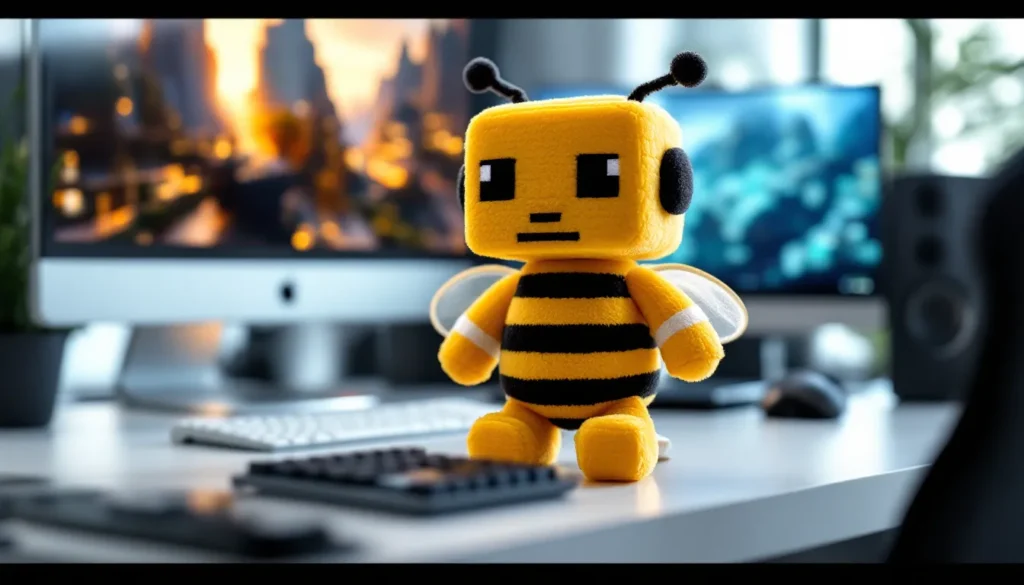
The standard Minecraft bee plush (often called the “neutral bee”) replicates the mob’s default appearance: black and yellow stripes, translucent wings (represented by lighter fabric or netting), and black bead eyes. Jazwares’ version measures around 7 inches long, making it compact enough for desks but substantial enough to feel like a proper collectible.
This is the baseline for any collection. It’s widely available at Target, Walmart, GameStop, and Amazon, usually priced between $10-15. The design hasn’t changed significantly since the initial 2020 release, though 2024-2025 production runs improved the wing attachment durability after early versions had stitching issues.
Key features to check:
- Wing attachment: Should be double-stitched, not glued
- Stripe alignment: Should match across the top and bottom panels
- Tag placement: Official versions have tags sewn into seams, not adhesive stickers
Angry Bee Plush
The angry bee variant swaps the standard black eyes for red ones and sometimes includes slightly ruffled wings to suggest agitation. This version mirrors the in-game state when a bee is provoked (usually by breaking a nest without silk touch or attacking bees directly).
Jazwares released this as a retailer exclusive in 2021, and it’s since become a staple. The angry bee tends to sell out faster than the standard version, likely because the red eyes add visual pop and the community loves the aggressive-cute contrast. Expect to pay $12-18, with prices climbing to $25-35 on secondary markets when stock dries up.
Some fans argue the angry bee is superior for display since the red eyes photograph better and stand out more on crowded shelves. It pairs well with other “aggressive” Minecraft plushies like the hissing cat or growling wolf.
Baby Bee and Jumbo Bee Plushies
Jazwares introduced a baby bee plush (approximately 4 inches) in 2022, matching the in-game baby bee mob. It’s essentially a shrunk-down version with slightly rounder proportions. These often come in multi-packs or as add-ons with larger sets. At $6-8, they’re impulse-buy territory and popular for keychains or small gift additions.
On the opposite end, jumbo bee plushies (12-20 inches) occasionally surface as limited releases or through specialty retailers. The Jinx 15-inch version released in mid-2025 featured upgraded materials and weighted stuffing for better shelf stability. These run $35-60 and cater to collectors who want a centerpiece rather than a desk accessory.
Jumbo versions have practical considerations. They take up serious space and don’t fit in standard display cases. But for streaming setups or room decor, the scale makes a statement. Several gaming coverage outlets, including those tracking anime and game merchandise trends, noted increased demand for oversized plushies across franchises in 2025-2026.
How to Choose the Perfect Minecraft Bee Plush
Size and Display Considerations
Start with where the plush will live. Desk setups with limited space favor the 7-inch standard or 4-inch baby bee. These fit between monitors, on keyboard trays, or tucked into cubby shelves without dominating the area. For streamers, consider camera angles, a bee positioned behind a microphone at eye level adds background interest without blocking the shot.
Bed or couch display? Standard to jumbo sizes work. The 12-15 inch range sits well propped against pillows or in reading nooks. Anything larger becomes more decorative than functional, impressive but not practical for regular handling.
Shelf collectors should measure vertical clearance. Many Ikea-style cube shelves (13×13 inches) accommodate jumbo plushies, but only if you’re not stacking other items. Standard plushies allow for denser arrangements, mixing bees with creepers, Steves, and other mobs to recreate in-game scenes.
Material Quality and Safety Standards
Official Minecraft plushies use polyester fiber fill and outer fabrics that meet ASTM F963 (US) and EN71 (EU) safety standards. This matters if the plush is for a younger gamer, these certifications ensure no toxic dyes, small detachable parts, or flammable materials.
Feel matters for adult collectors too. Cheap polyester feels slick and holds heat. Higher-quality plushies (Jinx, premium Jazwares lines) use softer blends with slight texture that mimics the blocky Minecraft aesthetic better. Check seam stitching. Double-stitched seams withstand handling: single-stitch or glued seams split within months.
Wing construction varies. Early bee plushies used thin netting that tore easily. Current official versions use reinforced sheer fabric with hemmed edges. Third-party plushies sometimes skip wings entirely or use stiff plastic inserts that feel cheap. If wings matter to you aesthetically, inspect them closely before buying.
Price Range and Budget Tips
Official Minecraft bee plushies break down roughly like this in 2026:
- Baby bee (4 inches): $6-8
- Standard bee (7 inches): $10-15
- Angry bee (7 inches): $12-18
- Premium/Jumbo (12-20 inches): $35-60
Retailers run sales around Black Friday, back-to-school season, and during Minecraft Live events (usually October). Signing up for GameStop or Target emails can snag 20-30% discounts. Multi-packs (bee + other mobs) sometimes offer better per-unit pricing if you’re expanding a collection.
Avoid marketplace listings priced significantly under retail unless it’s a confirmed sale. A $5 bee plush on Amazon from an unknown seller is almost certainly a counterfeit. Conversely, $40 for a standard bee is scalper pricing, wait for restocks unless it’s a confirmed discontinued variant.
Budget collectors can mix official standards with third-party customs. Grab the official angry bee for authenticity, then supplement with a handmade sleeping bee from Etsy for variety. This approach keeps costs reasonable while building a more visually interesting collection.
Where to Buy Authentic Minecraft Bee Plushies
Official Minecraft Store and Retailers
The Minecraft Official Store (minecraft.net/store) carries current releases but often has limited stock for plushies. It’s best for checking what’s officially available and confirming product specs. Actual purchases often flow through partner retailers.
Major chains with consistent stock:
- Target: Reliably stocks Jazwares standard and angry bees, often with seasonal endcap displays
- GameStop: Carries standard lines plus occasional exclusives, frequent clearance sales on older inventory
- Walmart: Hit-or-miss in physical stores, decent online selection
- Amazon: Widest selection but requires verifying sellers (look for “Ships from and sold by Amazon.com”)
Hot Topic and BoxLunch occasionally get exclusive colorways or bundled sets. These specialty retailers cater to collectors, so displays are better maintained and staff can usually confirm restock dates.
For international buyers, the official store ships globally but expect customs fees. Local gaming retailers in EU countries often stock Jazwares products through regional distributors, sometimes with region-specific packaging.
Online Marketplaces: Pros and Cons
Amazon dominates for convenience. Prime shipping, easy returns, and vast selection make it the default. The downside? Third-party sellers flood listings with counterfeits. Always check:
- Seller name (should be Amazon, Jazwares, or a known retailer)
- Price (significantly below retail is a red flag)
- Reviews mentioning authenticity, tags, or quality issues
eBay works for hunting discontinued variants or limited editions. Completed listings show real market value for rare pieces. Use filters for “Buy It Now” to avoid bidding wars, and prioritize sellers with 98%+ feedback and lots of transactions. eBay’s authenticity guarantee doesn’t typically cover plushies, so you’re relying on seller honesty.
Etsy is the go-to for handmade alternatives. Search “Minecraft bee plush” and filter by region (if shipping time matters) and shop reviews. Read descriptions carefully, many listings clearly state “inspired by” rather than official, which is legally safer for sellers and transparent for buyers. Recent features by sites covering gaming culture and merchandise highlighted the growing market for artisan gaming collectibles, with Minecraft items leading sales.
Mercari and Facebook Marketplace offer local deals but carry higher risk. No buyer protection matches eBay or Amazon. Only pursue these for in-person pickups where you can inspect before paying.
Spotting Counterfeits and Low-Quality Knockoffs
Counterfeit Minecraft plushies are rampant. They’re usually produced in factories that copy official designs but cut corners on materials and accuracy. Red flags:
- Missing or fake tags: Official plushies have Mojang holograms, care instructions, and manufacturer info. Counterfeits often skip tags or use generic “Made in China” labels with no branding.
- Color mismatch: Bees should be bright yellow (#F9DC5C hex, roughly) with black stripes. Fakes skew greenish-yellow or dull mustard.
- Proportion issues: Wings too small, bodies too round, stripes misaligned or wrong number of bands.
- Price: Official plushies rarely drop below $8-10 even on clearance. Anything under that is suspect.
- Seller location: Listings shipping from overseas with 4-6 week delivery windows often indicate dropshipped counterfeits.
When in doubt, compare product photos to official Jazwares images. Check the hang tag design, stitching patterns, and eye placement. Legit sellers provide multiple angles and close-ups. Stock photos only? Pass.
If a counterfeit arrives, most major platforms allow returns for “not as described” claims. Document with photos showing tag and quality issues. Amazon and eBay generally side with buyers on clear counterfeit cases.
Caring for and Maintaining Your Bee Plush
Cleaning and Washing Instructions
Official Minecraft plushies are surface-wash only according to care tags. That means:
- Spot cleaning: Dampen a cloth with mild detergent and water, blot stains gently, avoid soaking
- No machine washing: The agitation and water exposure can shift stuffing, fray stitching, and damage wings
- No dryers: Heat warps fabric and melts any plastic components
For deeper cleaning (spills, dust accumulation after conventions), hand-wash in cold water using gentle detergent. Submerge briefly, squeeze (don’t wring), and air-dry flat on a towel. This risks some shape loss, so reserve it for necessary situations.
Lint rollers handle dust and pet hair between cleanings. For setup plushies that sit near open windows or in high-traffic areas, a quick weekly roll keeps them looking fresh.
Smoky gaming rooms or areas with cooking smells can embed odors. Baking soda helps: place the plush in a sealed bag with a few tablespoons, shake gently, let sit overnight, then vacuum or shake out the powder outside.
Storage and Display Ideas
Direct sunlight fades fabric over time, especially the bright yellow. Position plushies away from windows or use UV-filtering curtains if natural light is unavoidable. Gaming room LEDs (RGB strips, bias lighting) won’t cause fading unless they’re high-UV output, which is rare in consumer products.
Display cases work for serious collectors. Acrylic cube cases (available on Amazon, Container Store) protect from dust and handling while keeping plushies visible. The 10x10x10 inch cases fit standard bees perfectly. For jumbo plushies, wall-mounted shelves with lips prevent tipping.
Themed arrangements add personality. Pair the bee with flower pots (real or fake), small terracotta blocks, or other nature-themed decor to mimic in-game biomes. Creeper plushies next to bees recreate the “oh no” moment when someone accidentally aggros the hive.
Long-term storage (swapping seasonal displays, moving, etc.) requires breathable containers. Avoid plastic bins that trap moisture and encourage mildew. Use cardboard boxes or fabric storage cubes, and stuff empty space with tissue paper to maintain shape. Store in climate-controlled areas, attics and basements risk temperature/humidity swings that degrade materials.
Building Your Minecraft Plush Collection
Complementary Minecraft Plushies to Pair with Your Bee
Bees pair naturally with passive and neutral mobs. Here’s what collectors typically grab:
- Pigs, cows, sheep: The classic farm mob lineup. Recreate a homestead setup on shelves.
- Cats and ocelots: Both interact with bees in-game (cats sometimes swat at them), and the size match works visually.
- Axolotls: Released in the Caves & Cliffs update, axolotls share the bee’s cute-factor and became instant merch hits. Pink axolotl + bee is a popular combo.
- Steve or Alex: Having a player character grounds the collection. Mini Steve figures (around 7 inches) scale perfectly with standard bee plushies.
- Flowers: Not officially Minecraft-branded, but small fabric or felt flowers add thematic detail. Sunflowers match the bee aesthetic best.
Avoid scale mismatches unless you’re going for humor. A 7-inch bee next to a 20-inch Ender Dragon looks off unless you’re intentionally creating a comedic scene (which, fair, can be great for photos).
Many collectors organize by biome or update. A “1.15 shelf” with bees, updated textures for existing mobs, and beehive blocks (if you’ve got custom builds or unofficial merch) tells a cohesive story.
Limited Edition and Rare Bee Plush Variants
Limited releases happen around Minecraft Live, major updates, or retail partnerships. The 2023 Target-exclusive bee with a “flower crown” (small fabric flowers attached to the head) was limited to 5,000 units and now sells for $40-60 on secondary markets.
Convention exclusives (PAX, Comic-Con, Minecon) occasionally include variant tags or packaging. A 2022 PAX East bee had special holographic hang tags but was otherwise identical to retail versions. These command premiums more for the provenance than the product itself.
International variants exist due to different distributors. Japanese Minecraft merch (through Bandai or other local partners) sometimes features alternate fabric textures or slightly different proportions. Importing these costs more due to shipping, but they offer uniqueness for serious collectors.
Rarity fluctuates. A “rare” plush in 2024 might get re-released in 2026 if demand spikes. Unless it’s explicitly marked as a one-time production (anniversary editions, charity fundraiser merch), assume any plush could reappear. This makes chasing rare variants less urgent than with, say, limited sneaker drops.
Tracking releases requires following Mojang’s social channels, Jazwares’ announcements, and collector communities on Reddit (r/MinecraftMerch) or Discord servers dedicated to gaming collectibles. Restock alerts and leak discussions happen there first.
Creative Ways to Use Your Minecraft Bee Plush
Gaming Setup Decoration Ideas
Position matters. A bee plush perched on top of a monitor adds vertical interest without cluttering the desk surface. Use museum putty or mounting tape on the base to prevent tipping from desk vibrations or accidental bumps.
Cable management integration: Wrap a small bee around monitor or charging cables to create a “bee flying through cables” effect. Secure with clear twist ties. This works best with the 4-inch baby bee, which is light enough not to drag cables down.
Streaming backgrounds: Place the bee slightly out of focus behind the main camera position. The blocky design reads well even when blurred, adding recognizable branding without being distracting. Pair with LED strip lighting in yellow or orange tones for thematic cohesion.
RGB lighting sync: If your setup uses Philips Hue or similar smart lighting, program a “bee mode” with yellow and black pulsing patterns. Position the bee at the center of the effect for photos or stream starting screens.
Controller or headset rest: The standard bee’s flat back lets it sit stably. Rest a controller against it between sessions, or drape a headset over it as a makeshift stand. This is purely aesthetic (dedicated stands work better functionally) but adds personality.
For multi-monitor setups, create a “mob lineup” along the top edges: bee, creeper, pig, enderman. It establishes theming without overwhelming the workspace and scales well in ultrawide peripheral vision.
Gifts for Minecraft Fans
Bee plushies hit the sweet spot for gift-giving: recognizable, affordable, and appeal across age ranges. A few pairing ideas:
- With Minecraft Java/Bedrock gift codes: Physical + digital combo. The plush gives tangible impact: the code extends gameplay.
- DIY terrarium kits + bee plush: Position the bee next to a small glass terrarium filled with moss and stones for a “biome in a jar” effect.
- Minecraft-themed LEGO sets: The LEGO Minecraft Bee Farm set (#21165, released 2020, still available through resellers) pairs perfectly with a plush bee.
- Custom name tags: Craft paper or leather tags with names from the game (“Buzz,” “Sting,” or inside jokes from the recipient’s server) attached to the plush.
For younger fans, bundle the bee with honey-themed snacks or a “bee survival kit” (yellow bandana, bee-shaped soap, honey sticks). It turns a simple plush into an experience.
Collectors appreciate variant hunting. Gift the angry bee to someone who has the standard version, or track down a jumbo if their collection focuses on scale variety. Include a note showing you noticed their setup specifics, that personalization carries more weight than the product itself.
Conclusion
The Minecraft bee plush occupies a unique space in gaming merch: cute enough for broad appeal, iconic enough for dedicated fans, and functional enough to justify the desk space. Whether you’re grabbing a single standard bee to test the waters or building a full hive’s worth of variants, the market in 2026 offers more options than ever, if you know where to look and what to avoid.
Authenticity matters. Official plushies deliver consistent quality and accurate designs that stand up to years of handling and display. Third-party alternatives fill niches for custom poses or sizes, but require careful vetting. And with counterfeits flooding budget listings, taking the time to verify sellers and check tags saves money and frustration in the long run.
The bee isn’t going anywhere. As long as Minecraft keeps updating and expanding, the merch ecosystem will follow. New mob variants, update-specific editions, and evolving manufacturing partnerships mean today’s collection is never truly complete, and that’s part of the fun. Your bee plush isn’t just a decoration: it’s a blocky ambassador from a game that’s been shaping gaming culture for over a decade. Display it with pride, pair it strategically, and maybe add just one more to the shelf when the next variant drops.