Table of Contents
ToggleMinecraft examples come in endless forms, from towering castles to automated farms that run themselves. The game’s open-ended design lets players build anything they can imagine. Whether someone plays for relaxation or competition, good examples spark new ideas and push creativity forward.
This guide covers building styles, redstone machines, survival setups, and adventure maps. Each section offers concrete ideas that players can copy, modify, or use as starting points. New players will find accessible projects, while veterans can discover fresh inspiration for their next world.
Key Takeaways
- Minecraft examples span building styles, redstone machines, survival setups, and adventure maps—offering inspiration for players at every skill level.
- Medieval castles, modern architecture, and fantasy builds represent the most popular building styles, each creating a distinct world atmosphere.
- Redstone contraptions like automatic farms, hidden doors, and flying machines add mechanical depth and automation to gameplay.
- Organized survival bases with item sorting systems and dedicated rooms for enchanting and brewing help players manage resources efficiently.
- XP farms in the End and Nether dimensions provide fast experience and valuable resources for mid-to-late game progression.
- Adventure maps, parkour courses, and PvP arenas demonstrate how creative players transform Minecraft into entirely new game experiences.
Iconic Building Styles to Try
Minecraft examples of building styles range from simple cottages to massive pixel art murals. The style a player chooses shapes the entire feel of their world.
Medieval Castles and Villages
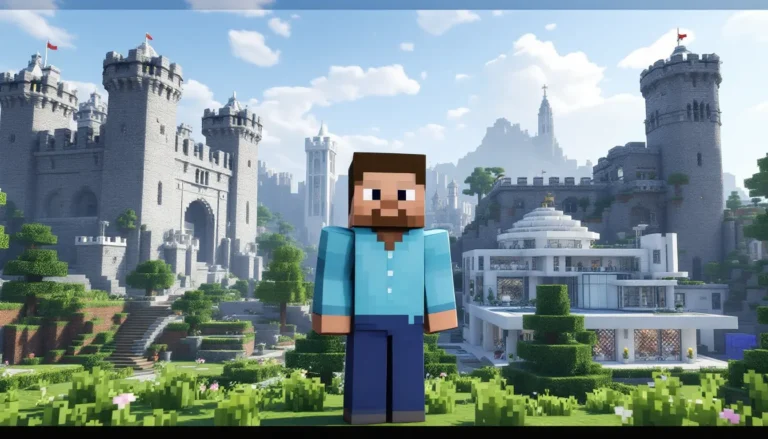
Medieval builds remain among the most popular Minecraft examples. Stone brick walls, wooden rooftops, and cobblestone paths create an authentic old-world look. Players often add details like market stalls, blacksmith shops, and watchtowers to bring villages to life.
A good medieval castle starts with a strong foundation. Thick walls with arrow slits, a central keep, and a moat add defensive character. Interior rooms can include throne halls, dungeons, and armories.
Modern Architecture
Clean lines and large glass panels define modern Minecraft examples. Concrete, quartz, and sea lanterns work well for sleek contemporary homes. Flat roofs with rooftop gardens add visual interest.
Modern builds benefit from interior design attention. Furniture made from stairs, slabs, and item frames transforms empty rooms into functional spaces. Swimming pools and outdoor patios complete the look.
Fantasy and Organic Builds
Fantasy Minecraft examples break free from realistic architecture. Floating islands, giant mushroom houses, and tree homes offer unique challenges. These builds often use unconventional block combinations like prismarine with terracotta or copper with deepslate.
Organic builders create shapes that feel natural rather than blocky. Curved walls, irregular rooflines, and gradient color schemes soften the game’s square aesthetic. This style requires patience but produces stunning results.
Redstone Contraptions and Mechanisms
Redstone gives Minecraft examples a mechanical dimension. Players use this in-game wiring system to automate tasks and create interactive machines.
Automatic Farms
Automatic crop farms rank among the most useful redstone Minecraft examples. A basic wheat farm uses water streams and hoppers to collect harvested crops. More advanced designs include piston-based harvesters that replant automatically.
Mob farms generate resources while players do other tasks. Spawner-based designs use water to push mobs into a kill chamber. Iron farms exploit villager mechanics to produce iron ingots around the clock.
Doors and Security Systems
Hidden doors showcase redstone creativity. Piston doors can blend into walls, revealing secret rooms when triggered. Flush designs sit completely flat when closed, hiding any trace of an entrance.
Security systems add protection to bases. Combination locks require specific lever sequences to open. Trap doors can drop intruders into pits or lava. These Minecraft examples combine function with fun.
Transportation Systems
Minecart systems move players and items across long distances. Booster rails powered by redstone keep carts moving at top speed. Station designs with automatic cart dispensers improve usability.
Flying machines use slime blocks and pistons to travel through the air. These contraptions can carry players or serve as bombers in faction servers. Building them requires understanding how pistons push connected blocks.
Survival World Setups
Survival mode Minecraft examples focus on efficiency and resource management. Good setups help players thrive against the game’s challenges.
Starter Base Designs
First-night shelters don’t need complexity. A simple dirt hut or hillside cave keeps hostile mobs out. As resources grow, players can expand into wooden cabins with crafting areas, storage, and beds.
Mid-game bases benefit from organization. Separate rooms for enchanting, brewing, and storage prevent clutter. Underground designs protect against creeper explosions while surface builds offer better aesthetics.
Storage Solutions
Item sorting systems transform messy chests into organized warehouses. Basic designs use hoppers and comparators to route items automatically. Every item type gets its own labeled chest.
Bulk storage handles large quantities of common materials. Silo designs stack multiple chests vertically. Shulker box systems allow portable storage that players can carry to mining sites.
XP and Resource Grinding
Enderman farms in the End dimension provide fast experience points. Players build platforms that spawn endermen, then kill them safely from below. These Minecraft examples require End access but reward players generously.
Gold farms in the Nether exploit zombie piglin spawning. Large platforms generate massive amounts of gold and experience. Guardian farms in ocean monuments produce prismarine and fish. Each farm type serves different resource needs.
Adventure Map and Game Mode Examples
Custom Minecraft examples extend beyond building. Adventure maps and game modes create entirely new experiences within the game.
Parkour Courses
Parkour maps test jumping skills across obstacle courses. Designers use ladders, fences, and slime blocks to create challenging sequences. Checkpoint systems with command blocks prevent frustrating restarts.
Good parkour design balances difficulty with fairness. Each jump should feel possible on first sight. Visual cues like different block colors guide players through intended routes.
Puzzle Maps
Puzzle Minecraft examples challenge problem-solving abilities. Rooms might require players to find hidden buttons, solve riddle clues, or complete redstone circuits. Story elements add context and motivation.
Escape room designs lock players until they complete objectives. Timed challenges increase tension. Multiple difficulty paths let different skill levels enjoy the same map.
PvP Arenas and Minigames
PvP arenas provide spaces for player combat. Symmetrical designs ensure fair fights. Cover elements like walls and pillars add tactical depth.
Minigames like spleef, bed wars, and capture the flag turn Minecraft into a competitive sport. Server plugins expand possibilities, but vanilla command blocks can create impressive games too. These Minecraft examples show how creative players transform a building game into something entirely different.